Category: News & Views

  • Crocheting with ADHD

    if you’re anything like me, the minute you put something down, it doesn’t exist. ADHD ✨️

    ADHD is known for impacting motivation, focus, memory and organisation. which can make keeping on top of projects a project in itself.

    i crochet, and i’m constantly getting distracted from my projects by new ideas, new inspiration, new yarn. i see something shiny and new i want to start so i cast aside my current project – i’ll finish it later, for real this time, i promise (i won’t) – to focus on the new dopamine rush. my unfinished work-in-progress pile grows and grows, and would take way too much time, focus and energy to shrink. so what happens when we start more than we finish?

    personally i think it’s ok (to a point). the purpose of crafting isn’t just to finish pieces, if it was we would just buy them – there’s so much more to crochet (or knitting, drawing, sculpting…) than just a new jumper. it’s about creative expression and mindfulness, the movement of making is a great stim and the repetition feels almost meditative. the process of making is just as meaningful as the product. i think it’s important to question why we make, and what that process means to us.

    i think there’s a limit to that though. i almost never finish a piece and it can be really disheartening. yes, the creative process is important and fun, but it would be nice to be able to wear something and say, “i made this!”

    we also need to be aware of overconsumption and consumerism. from a fibre arts perspective, part of the craft is about slowing down, rejecting fast fashion and putting meaning back into the pieces. so constantly buying and hoarding yarn i’ll never do anything with really defeats the point.

    i’ve noticed two things. when i finish a project, it’s usually for someone else. and it’s usually with a deadline.

    when i make things for other people, i know finishing it will come with praise. motivation is rare and precious for me, and i find a lot of it in external validation. add to that the neurodivergent hyperawareness of being perceived and the ick of being seen as “failing” pushes me to keep going.

    deadlines create a sense of urgency. once something is urgent, it’s way easier to focus on – i think this is something most ADHDers will relate to. often, even if i’m interested in something, the focus doesn’t come until it feels urgent. even when i’m working on something for someone else, i’ll often make a start while there’s novelty then forget about it for months, and finally get it finished by staying up way too late the night before i want to give it to them.

    motivation is strange. it always seems to come at the wrong time or for the wrong thing. i find that in order to start a task, i need to have at least two of the following: interest, novelty, urgency, or procrastination. for example, if i decide i’m going to do a particular task on a particular day, i usually start the task right at the end of the day, because then it feels urgent (the end of the day being the deadline) and i can use it to procrastinate on something else (going to sleep). the struggle to start tasks seems to be a fairly common ADHD experience and i’d definitely like to explore that more, but this wasn’t supposed to be about starting things, this was supposed to be about finishing them. when the interest and novelty have faded, and there’s no urgency, how do i finish something i’ve already started?

    i honestly don’t know. sometimes it happens, sometimes it doesn’t. an example i think is interesting is a sock i’m knitting (pictured below). i don’t really know how to knit, so figuring out something new provided novelty, and fibre arts and clothing construction have always been interesting to me so at first i was quick to make progress. but knitting takes much longer than crochet and eventually i sort of just… forgot about it. it’s small and fits nicely in my bag so that’s where i left it, occasionally pulling it out if i needed something to do with my hands while away from home, but i never really actively chose to work on it again until about a month ago. i was knitting my sock at an event, someone commented on it and suddenly my excitement for it was back. i’ve nearly finished it now. i don’t even know why that one small conversation made me interested again, it just did.

    it would be amazing to be able to harness that renewed energy on demand. i think a lot of us have our own tips and tricks for what can help. for me though, they can be unpredictable. i have a few things that are “worth a try” rather than a surefire technique: for example, planning a new direction can bring back novelty, and i try to pick projects that have multiple sections to begin with, so starting the next bit of the same project is a mini dopamine hit. self-imposed deadlines don’t work for me because i know i’m the only person involved so i can just choose to move it, but if i tell someone else the accountability can help. i like body doubling for the same reason.

    but it’s okay not to push yourself to finish something. it’s okay to say, “this isn’t for me right now” and put it down and forget about it for a little bit. often, when i find a half-finished project months later, the nostalgia brings back the interest and i can continue to make progress.

    if none of this works for you, that’s okay too, we don’t need to finish everything we start. even if the end product isn’t what you hoped when you started, the act of making is enough.

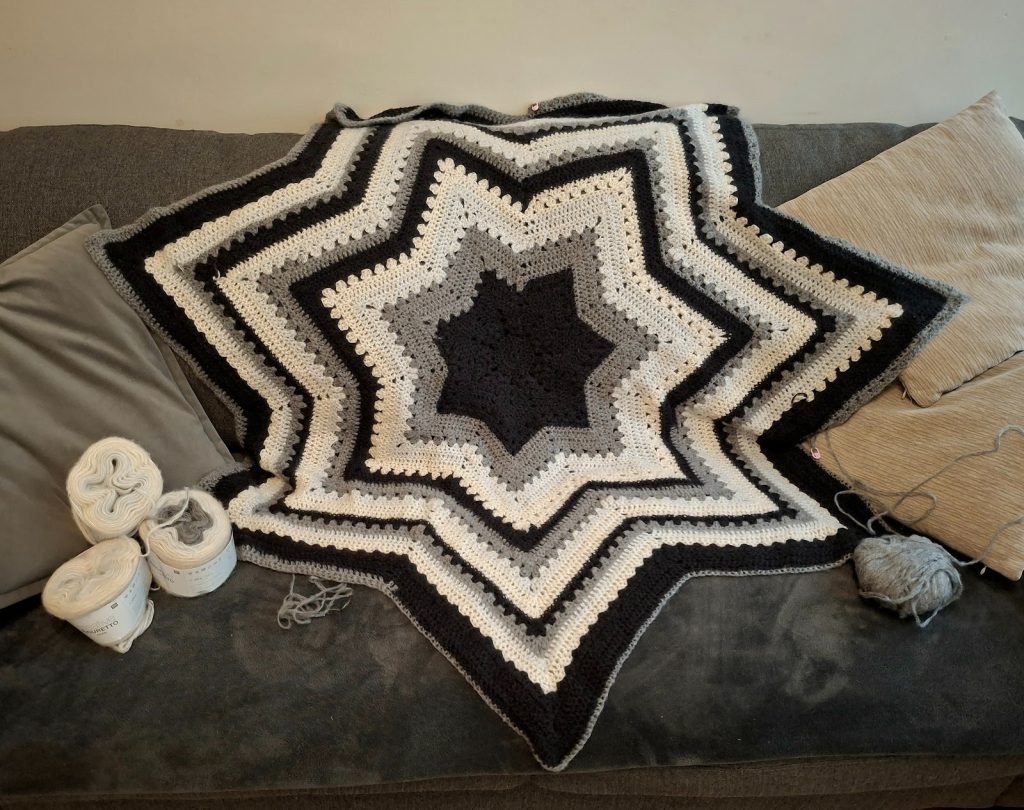
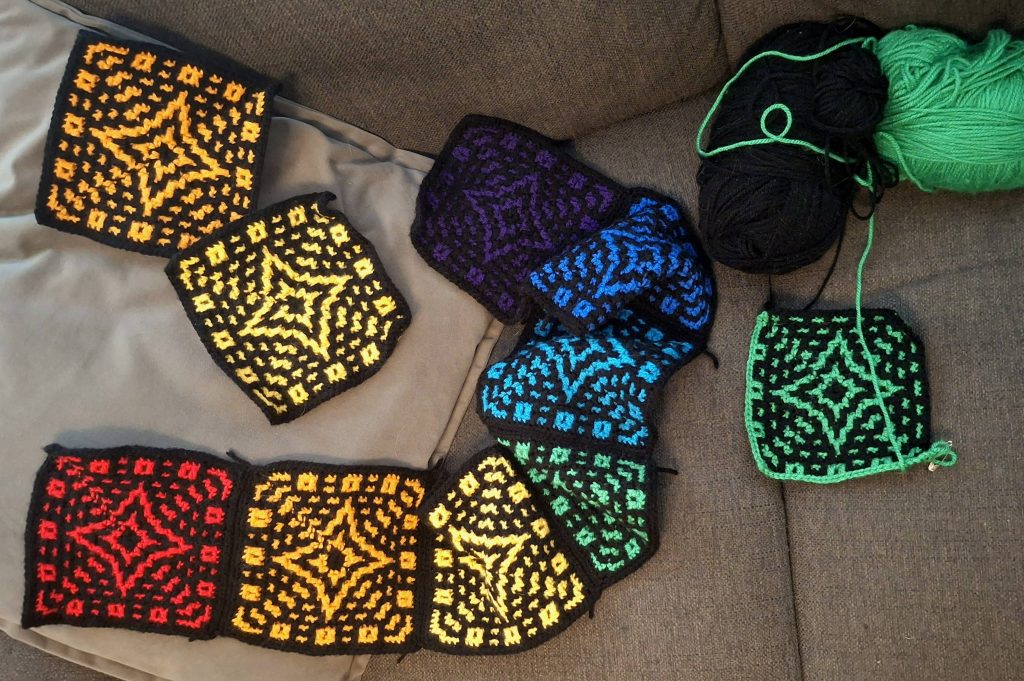
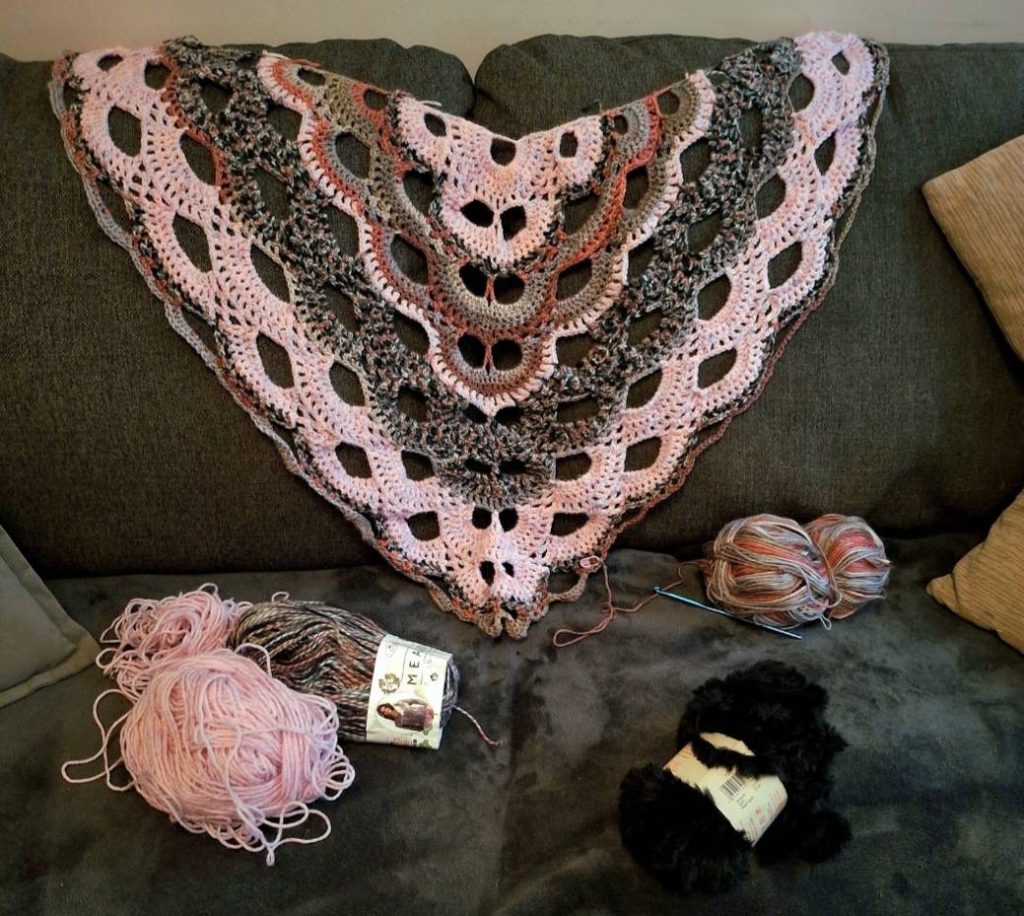
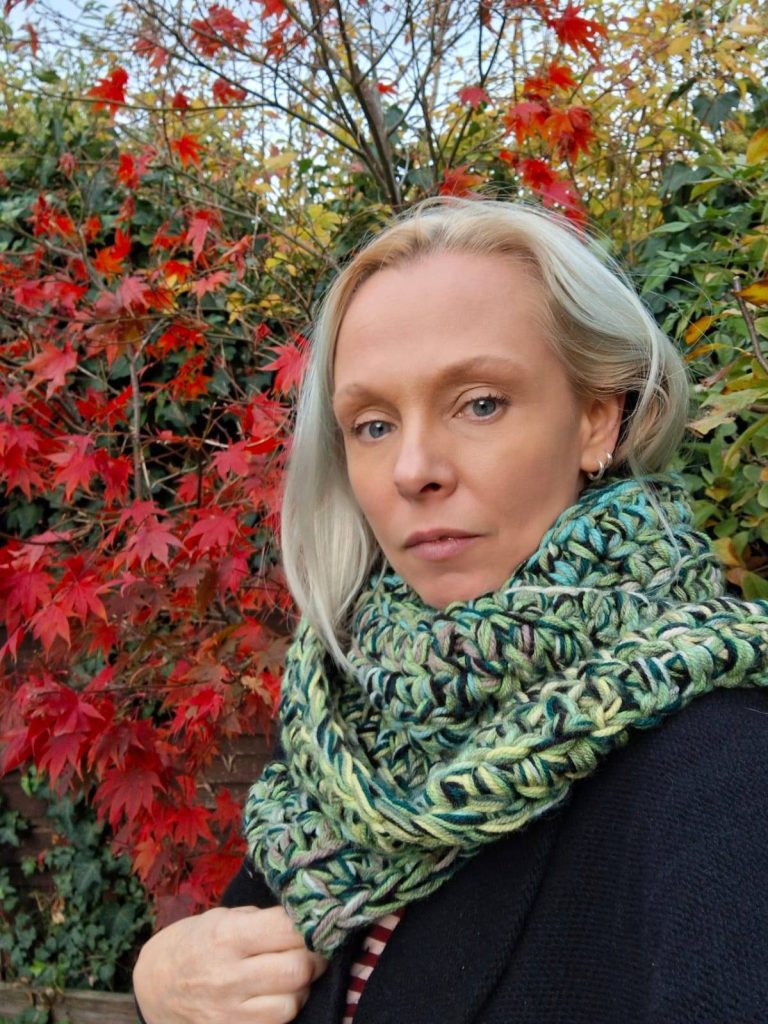
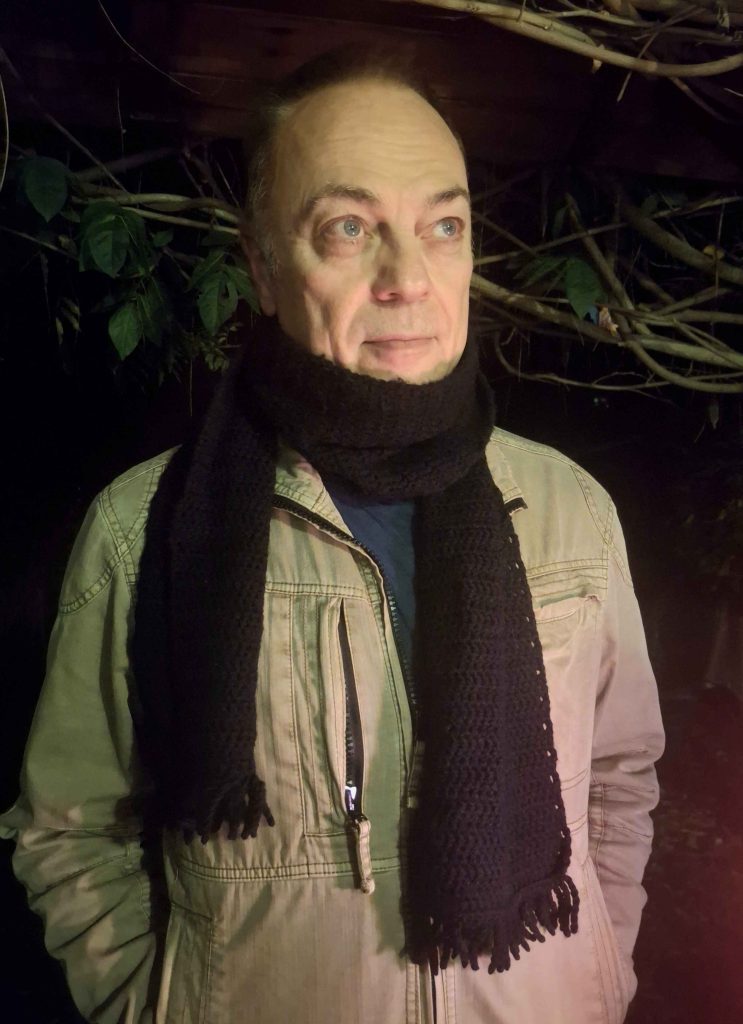
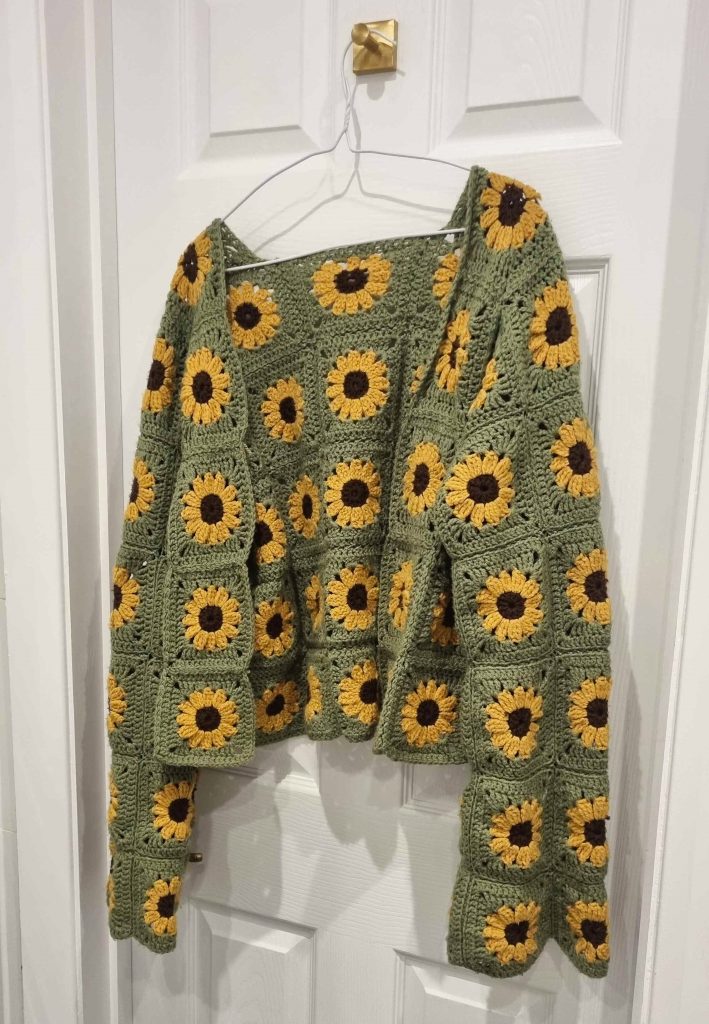
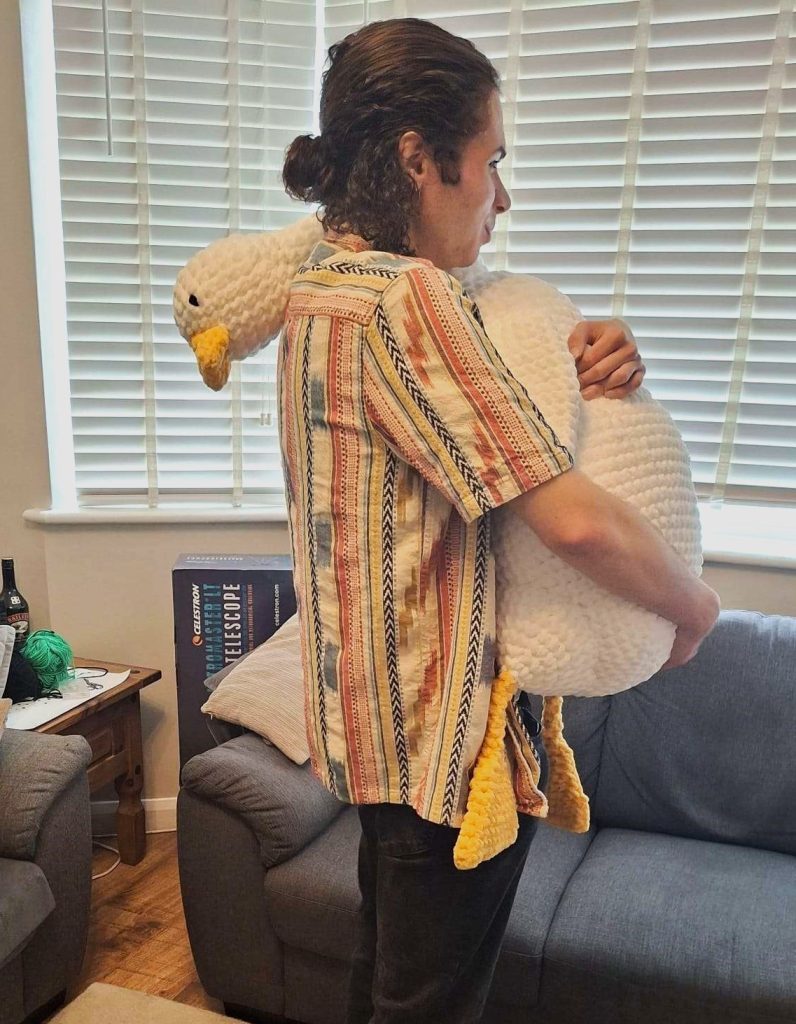
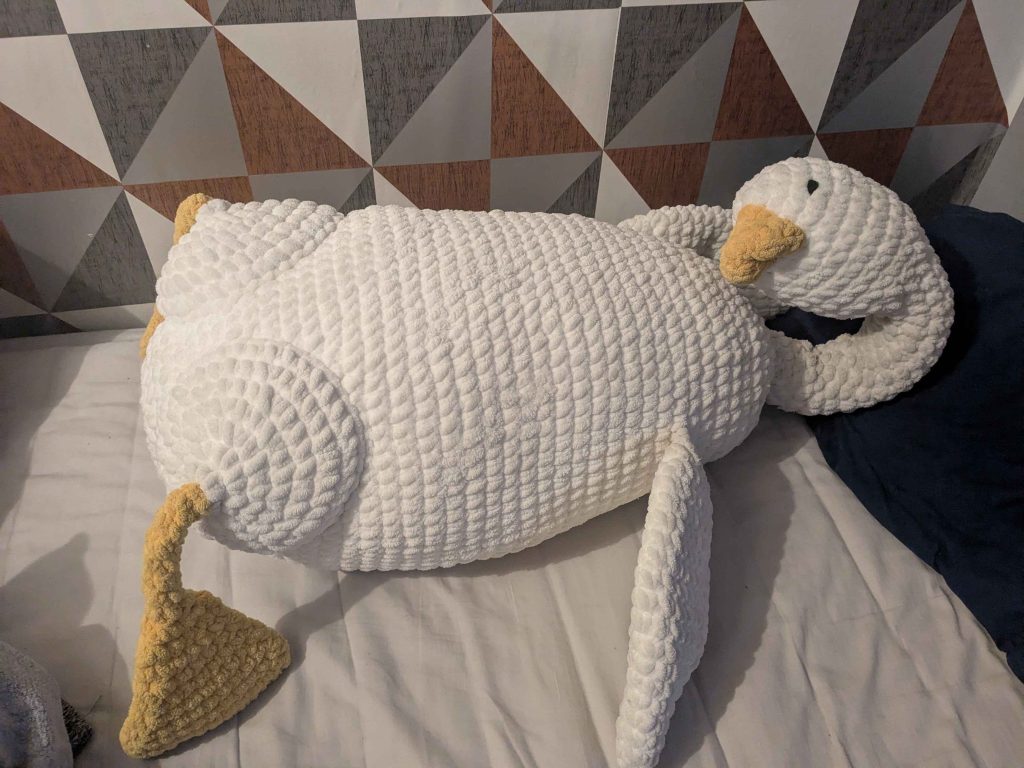
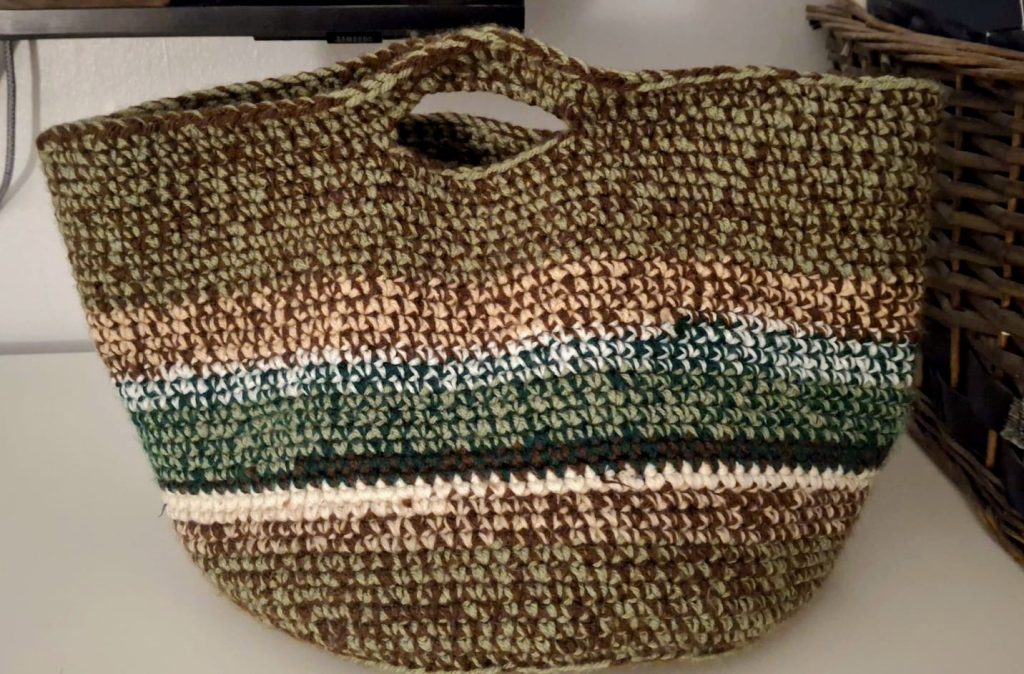
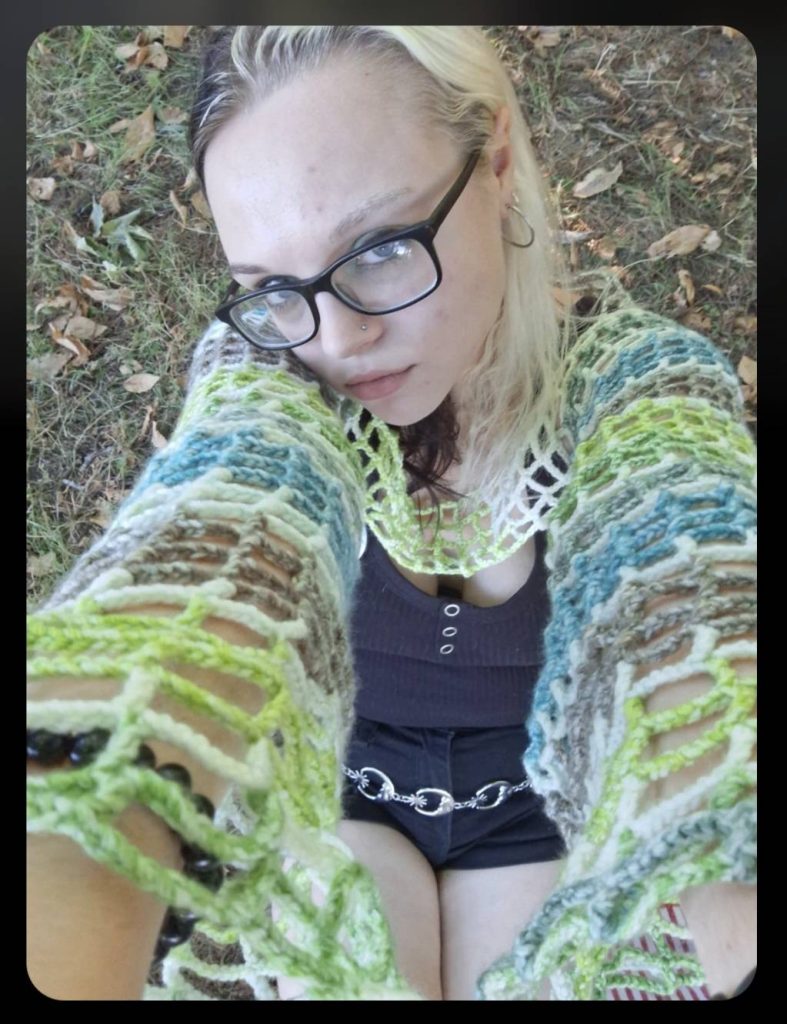
    that being said, here’s some stuff i have finished!!

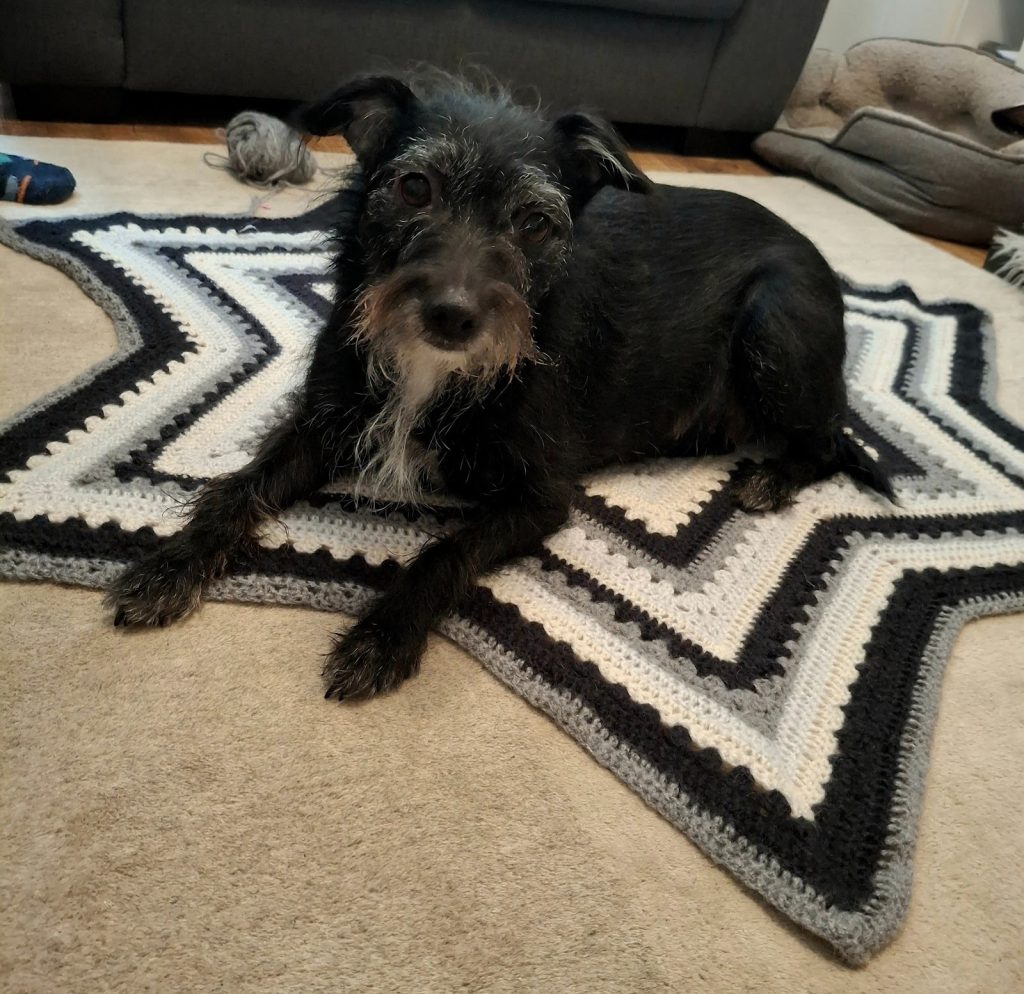
    bonus: my dog enjoying the star blanket

  • Why I Love Collecting

    A personal reflection – on memory, meaning, and small treasures  

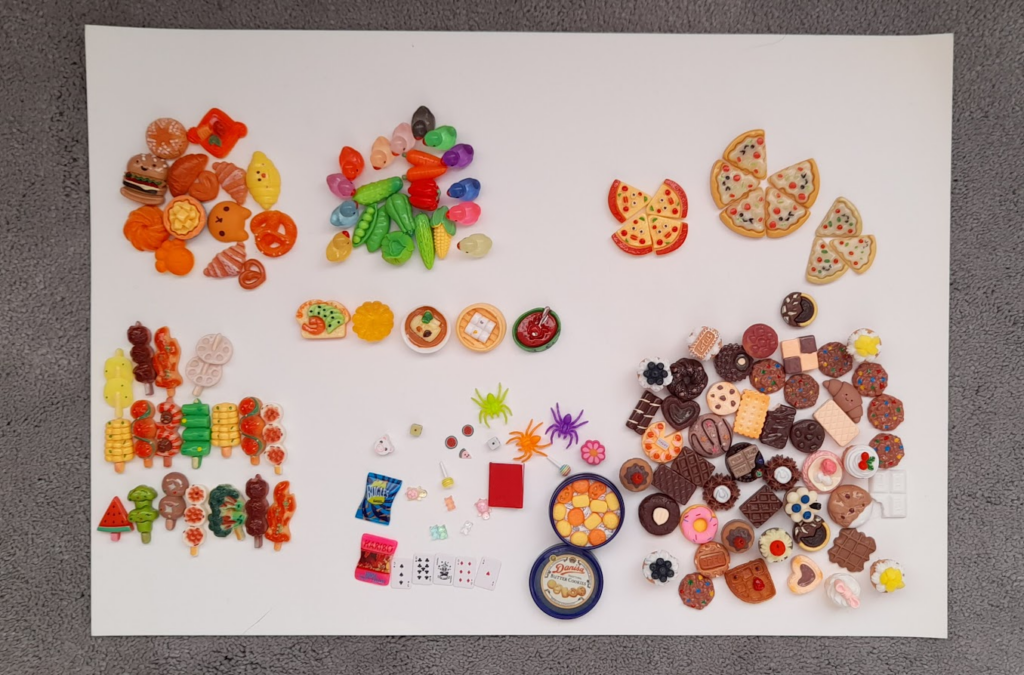
    I’d like to invite you to explore a glimpse into my world of collecting, where every object tells a story and sparks creativity. Collecting has always been a big part of my life, and it’s something I love sharing with others in an autism-friendly way. For me, each item is like a doorway into a memory: a pressed flower from a quiet walk, a keyring from a place that felt like home. In this piece, I’ll share the stories behind my collections.

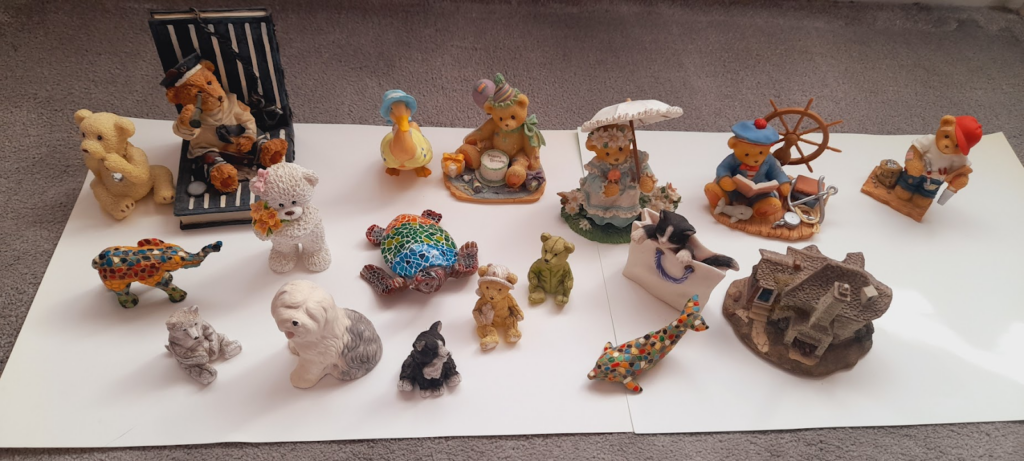
    I’m a creative person who finds joy in colouring, drawing, watching shows, and diving deep into my special interests. For me, collecting is part of that same creative rhythm; it’s a way to explore what I love, hold onto meaningful moments, and spark ideas for future projects. Each item I collect, whether it’s a figure, a keyring, or a shell, feels like a tiny archive of my experiences. These objects carry stories, textures, and emotions that help me understand myself and the world around me.

    As an autistic young person, I’ve found that collecting has become a way for me to explore my interests and understand myself more deeply. Each object brings comfort, joy, and a sense of calm. Over time, my collections have evolved into a kind of visual map, tracing memories, experiences, and creative growth. 

    Little Joys, I keep 

    Collecting helps me understand myself more deeply. Some items remind me of special days, people I’ve met, or places I’ve visited. Others connect to my favourite shows or hobbies. My collections are like tiny archives of my life; all these interests and memories are woven together.

    My collections aren’t carefully curated or displayed; most of them live tucked away in a musical box or quietly alongside my everyday life. I don’t collect to impress or organise. I collect because these objects hold something personal: a memory, a feeling, a moment I want to keep close. Just knowing they’re there brings comfort. They remind me of who I’ve been, what I’ve loved, and how I’ve grown, even when I’m not looking at them.

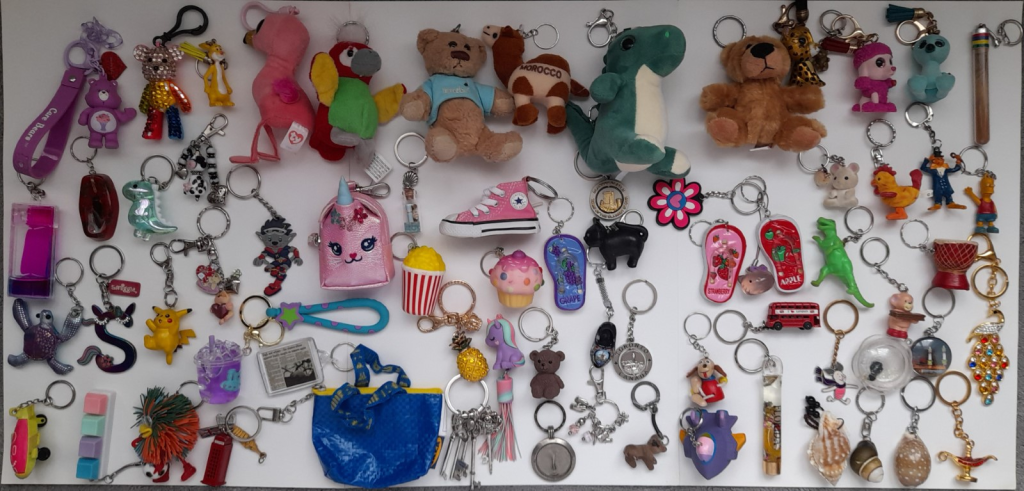
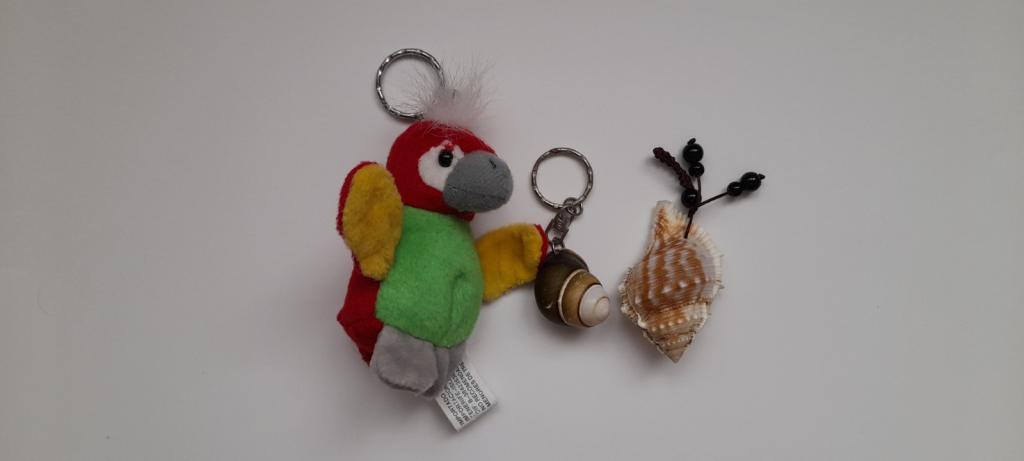
    Here’s a photo of my keyring collection. Each piece has a story, a memory, or a feeling attached. Looking at them reminds me why collecting has always been so meaningful to me, and why it continues to bring me comfort, joy, and inspiration.

    The Morocco Keyrings 

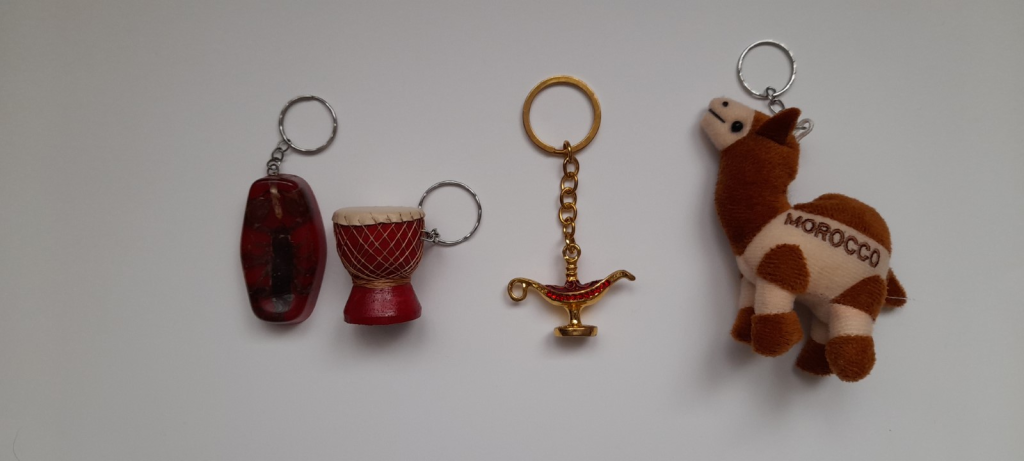
    Some of the most meaningful pieces in my collection are the four keyrings I brought back from Morocco. Each one feels like a tiny fragment of the country’s spirit: a scorpion preserved in resin, both strange and fascinating; a camel stamped with the word “Morocco,” evoking the desert landscapes; a miniature Aladdin’s lamp, shimmering with a sense of magic and story; and a small drum, echoing the rhythms of the markets. Together, they remind me of the colours, sounds, and textures of my trip. These keyrings aren’t just souvenirs – they’re anchors to a place that felt alive with history and culture, and they let me carry that memory with me wherever I go.

    The Spain Keyrings

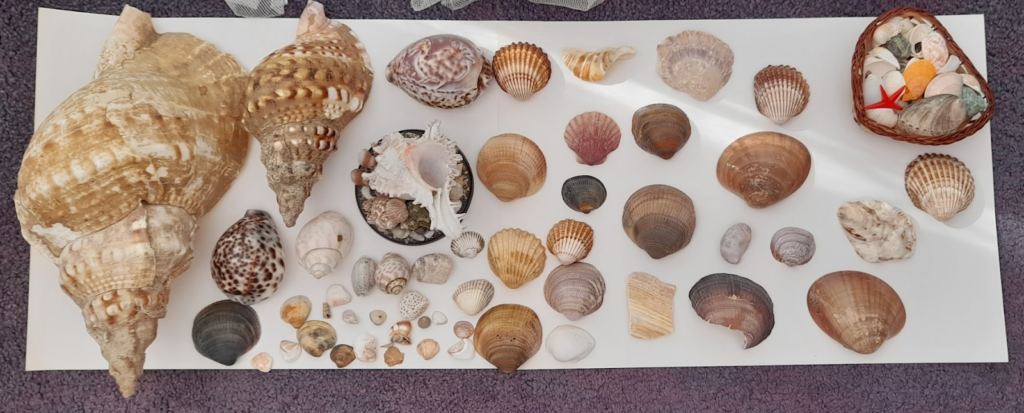
    From Spain, I brought home a colourful parrot keyring I found near the Aracena caves. Its bright feathers remind me of the excitement of exploring somewhere new, and it carries the energy of that trip in a small, playful form. I also picked up two shells from a market stall – smooth, patterned, and cool to the touch. They’re simple objects, but they hold the memory of wandering through the stalls, surrounded by colour and sound. Together, these keyrings and shells remind me that collecting isn’t just about the objects themselves, but also the moments and places they carry with them. 

    Collecting Beyond Keyrings

    While keyrings are at the heart of my collection, they’re not the only treasures I keep. I also collect shells, postcards, cards, ceramics, and even small items from my childhood. Each of these objects carries its own kind of memory – some are playful, some are grounding, and some are tied to heritage. Together, they form a wider archive of my life, showing how collecting isn’t just about objects, but about holding onto meaning in many different forms

    Closing Reflection

    Collecting doesn’t have to be complicated or big; it’s about the connections we make, the memories we hold, and the happiness that small things can bring. For me, my collections are a reminder that joy can be found in the details, and that even the smallest objects can hold the biggest meanings.

    I hope this post inspires you to celebrate your own treasures and reflect on the memories your items carry.

  • Peace Of Mind

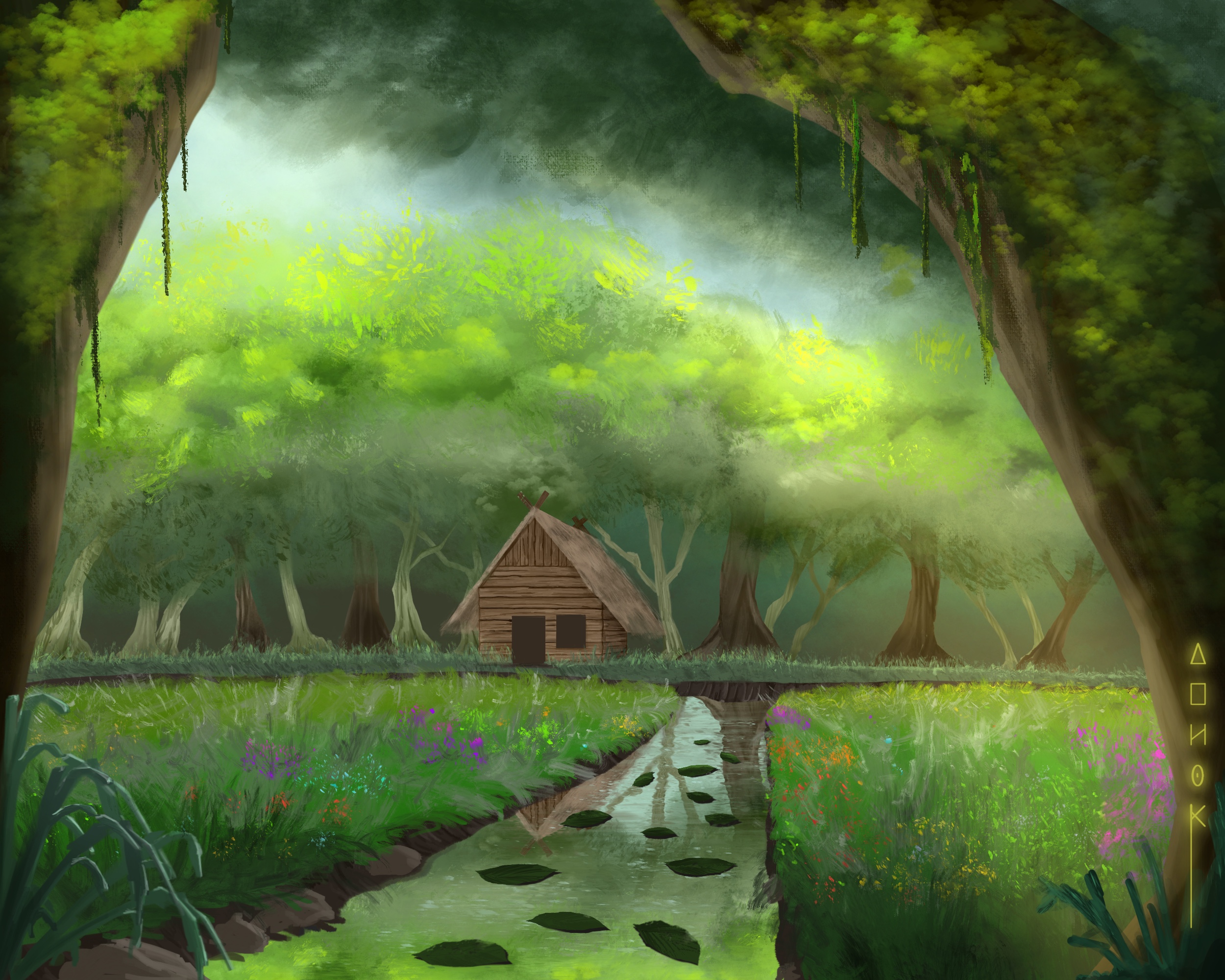
    I have created this image based on a DBT skill I have learned and it is what I visualise when practicing it. DBT stands for Dialectical Behavioural Therapy which helps people manage intense emotions. It teaches skills in mindfulness, distress tolerance, emotion regulation and interpersonal effectiveness.

    This skill in particular comes under the category of distress tolerance and is called ‘mindfulness of current thoughts’. There are many ways of doing this skill but I use leaves on a stream. The main purpose of the skill is to help bring distress levels down.

    I mainly use it when going to sleep as it helps ease my mind. 

    How to use this skill: you’ll want to get into a comfortable position, whether that’s sitting up or lying down, and close your eyes. You’ll then want to imagine a stream with leaves flowing down it. Any thoughts that come to mind, you let them pass by imagining putting them onto the leaves so that they float away down the stream. Your mind may wander when you are doing this, which is completely normal. When you notice that happening, return your mind back to that stream. Go as long as you can, it will take practice – I still find myself getting distracted too.

    As a neurodivergent person, I find doing this really helps me to feel more at ease, especially when I’m feeling anxious. I have also noticed that any thoughts I put onto the leaves don’t return to my mind for quite a while.

    If leaves on a stream don’t work for you, you can try something you like. For example, I really love bunnies, so putting my thoughts onto them and seeing them hop away really helps.

    Martin McHugh (AHNOK)

  • A Typical Conversation

    “She had the perpetual sense, as she watched the taxi cabs, of being out, out, far out to sea and alone; she always had the feeling that it was very, very dangerous to live even one day.”

          – Virginia Woolf, ‘Mrs Dalloway’

    ***

    “Hi!”

    “Hi.”

    “How are you?”

    “I’m good, how are you?” I say without thinking. A decade ago when I was too young, I learned that this is a continuation of the beginning; they’re never asking. It’s wrong to share what I really am. Imagine: hey/ hi/ how are you/ I don’t want to be here, how are you? It’s discordant. It’s… impolite. I would ruin the intricate waltz of communication: step off beat, absorb the music entirely, leave the room in harrowing silence. Stagnated, forever. Neither of us can talk candidly yet, that door opens further down the line.

    “Oh, you know how it is this time of year.” 

    I don’t, but I nod anyway. I do know one thing, though: this is an acceptable step slightly to the left of what is expected: one less beat in the line that would wrap up our shared sonnet of unfolding speech, but in a way that is elegant, that hasn’t distressed the rhythm. The correct response is something along the lines of I’m good or pretty well, thanks, but this, I know, suggests something unspeakable: she is dealing with an emotion that is less than good and well. I’m acutely familiar, but that in itself is an unmentionable truth.

    “Anyway,” she says, waving her hand dismissively, as if to dissipate obnoxious smoke. “I just wanted to talk to you quickly about how you’ve been doing.”

    I had expected as much, but it doesn’t stop the tempestuous, writhing dread from tying knots within my throat. I swallow. The door swings suddenly open. “Yeah, sure.”

    “How have you found being back?”

    “Um…” I consider it for a second. Two. Then three. How have I found being back? The question is surprisingly opaque. I weigh my thoughts, feelings and feather-like memories of the past few months with a solemn interest, and find that I have found it to be… fine. No, not fine. Bearable. No, not quite that either. It’s been, it’s been…

    In the fourth second, I remember what had caused me to leave to begin with: the invisible causes, the causeless suffering, the insufferable hopelessness. The days turning into nights turning into weeks turning into months, with each moment meaning less and less and less. I imagine myself as if I am an ocean, and inside that ocean I was lost. Drowning and coughing and struggling against the waves, every day a little less unshaken, a little more soaked through to my very soul, shivering, solitary.

    Whatever struggles I’ve had since I was chemically guided to shore and helping hands waved the storms away? Those struggles are dewdrops in comparison.

    A fifth second passes. “Well, I think it’s been going okay,” I say, lacking the words and unwilling to find them.

    “That’s good! I’m glad. I’ve certainly enjoyed having you back; I missed having you in my lessons,” she smiles at me, and I feel warmed; the dread begins to slacken and unravel as I smile back at her. “We both know you have some work to do to catch up, but I don’t want to pressure you at all. You have time.”

    “I know.” However, it never feels like it. I always feel either timeless or too late. But I try. And each and every day I try again. “I’m just taking it one day at a time. I’ll get there eventually.”

    “You will,” she tells me with an omniscient confidence. “I know you will. Just let me know how you’re doing, okay?” She smirks. “I’m not that scary, I promise.”

    I smile back at her again. She isn’t. She really, really isn’t; her approachability is so novel I’m still surprised at how at ease I am in her presence. The simple, carefree aura of a kind woman who cares. 

    And yet. “I guess I’m just not good at saying how I’m feeling a lot of the time,” I admit in a moment of impulsive sincerity; the knots retie themselves once the syllables escape.

    Her face morphs softly in understanding. “Well, there is no right and wrong here. Just say if you’re struggling and you’ll feel much better. And I’ll do anything I can to help.” She pauses, as if considering the next step in a dance. “Promise you’ll tell me if things are getting bad?”

    I swallow again, and consider the fragments of wisdom I have just received like a conch shell washed up on the shore; I lift its knowledge to my ear and listen, and I hear only the distinct and enshrouding feeling of knowledge and assurance that one phrase is true: you are not alone.

     “I promise.”

    ***

    It takes time. It takes considerable time. But, eventually, I evidence my promise.

    ***

    “Hey”

    “Hi.”

    “How’ve you been?”

    I stop the thoughtless lie before it forms on my tongue, and instead, I force myself to say, “I’ve been better.”

    And somehow, against all laws of nature, the waltz merely continues.

    Image credit: Caspar David Friedrich, The Monk by the Sea, c. 1808-1810
  • Tako’s Blåhaj Shrine

    welcome to my silly little world! a little bit about me: i go by the alias ‘tako’, my pronouns are she/her and they/them. i create animations and graphic design stuff like the video you see below.

    A short motion graphic animation made by Tako, centering around the plush toy Blåhaj and transgender affirmation and acceptance.

    i created this video because 1) i really really like the blåhaj plush toy from ikea, and 2) transgender folk are super cool… the two go hand in hand very well so i thought it would be cute to put them together!

    i created the vectors in figma and animated everything in the motion graphics software cavalry.

  • Games, Community and the Neurodivergent Mind

    Howdy, I’m Dan, and I want to talk about games. Not just the kind you play on a screen or a board, but the kind that pull people together, stretch your imagination, and sometimes even change how you see yourself.

    I’m dyslexic, so my original writing has been shaped with support from a scribe for clarity. I had final say on the content, language and form.

    Games: More Than Play

    Games have been part of us for thousands of years: dice found in Scotland date back to 2400 BC. Kids make up their own games and rules in playgrounds; older kids and grown-ups do the same around tables and on consoles.

    The most well-known roleplay game, Dungeons & Dragons, has its roots in earlier tabletop wargames — strategy simulations once used to teach military tactics. Those games, in turn, evolved from Kriegsspiel, a 19th-century Prussian training exercise that helped officers plan and predict battle outcomes.

    Modern wargaming is still about acting out a battle using terrain and miniatures on a board. It’s usually played by two players.

    They’re about exploring and simulating conflict in imaginative ways.

    Over time, this idea of testing strategy through play transformed into storytelling through imagination, giving rise to the collaborative, character-driven games we know today as tabletop roleplay games.

    Modern roleplay games aren’t just about war or fantasy — there are games about growing a garden or racing cars with raccoons, and plenty more besides.

    Tabletop Roleplay Gaming (TTRPG)

    The games that mean the most to me are tabletop roleplay games like Dungeons & Dragons, played with a group of up to seven people, including the Dungeon Master (DM) — the person who runs the game. It’s set in a fantasy world, where players make decisions and the DM describes what happens next.

    You make a character, sit round a table, roll dice, tell stories, and build worlds together. The Dungeon Master (or DM) keeps things moving — part narrator, part referee, part chaos conductor.

    I started out playing Call of Duty and Halo, but when I stumbled across people playing D&D online, something clicked. I persuaded a few friends to try it; but the first time, it was a disaster — I got the rules wrong, forgot what dice to roll — but they still had fun. That moment changed everything. I realised games could be a vehicle for learning, connection and creativity.

    Since then, running games has helped me grow and explore my creative side. I’ve learned to write, paint, build models, code, and improvise. I’ve taken classes to improve my accents. It gives me confidence to experiment: I even once used silly voices in a work presentation — and it worked.

    When I run a game now, I’m known for inventive and immersive improv storytelling with sound effects and bespoke lighting.

    I make masks, costumes and props, build castles, design puzzles, get players to call real phone numbers to hear messages; and use improv to react to whatever chaos they throw my way.

    Every table becomes its own unique world.

    Community: Stories That Build People

    Games are, at their heart, about community. I’ve seen strangers become player collaborators and then friends. I once ran a game for a couple, and a year later, I was at their wedding.

    The magic of games is that they bring people together around a table with a shared purpose. During lockdown, they even kept us connected when everything else shut down. They’re inclusive: you can adapt rules or leave out concepts that make people feel uncomfortable. Games evolve as we do.

    Joining local clubs opened me up. Through them, I found Autistic Youth Hub and now I’m a volunteer leader there and at The Story Sanctuary — our new IRL home — spaces that mix creativity, care, and belonging. I’ve done everything from building shelves to helping others build confidence in themselves. I went from someone who spent a long time being an outsider to someone who is valued in several communities.

    Neurodivergence: The World Through a Different Lens

    Being neurodivergent shapes how I think, create, and play. Dyslexia means I sometimes twist words or trip over spelling — but that’s also how I invent monster names and unexpected worlds. Having a brain that works differently, that sees the absurdity, informs my game design in a unique way.

    Many of the people I game with are neurodivergent too. These spaces work for us because they’re flexible — structured enough to feel safe, open enough to bend the rules when needed. Around the table, difference isn’t a flaw; it’s fuel for creativity, and the game acts as the glue that gives us common ground.

    Roleplay helps me understand people better — how they feel, how they act, how I connect. When a game truly works, it gives everyone at the table a spark of shared meaning. It lets everyone explore tricky things safely like emotions and identity.

    So that’s me — Dan. A guy who runs games, builds worlds, and believes in it as a form of community care. I’m still learning, still rolling the dice, still telling stories — and still amazed at where they lead.

  • To Deduce the Juice

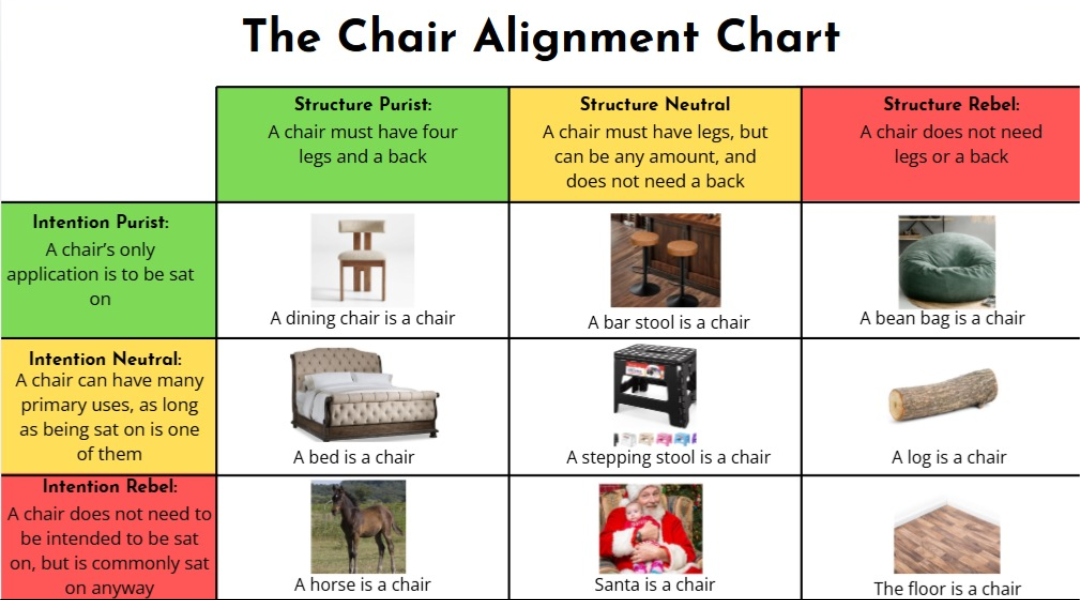
    The first of my alignment chart series!

    I’ve never really considered myself a juice expert, just a general fan, until one day I was having dinner with my partner’s family for the first time and I was offered a whiskey by their dad which I declined and went for an apple juice instead. I think he thought I was just being nervous and going for the Responsible Non Alcoholic Option, and upon asked an “are you sure?” I responded with “I like juice :)”

    My partner then explained I was driving which honestly I had completely forgotten about and would have been a way better explanation but I genuinely just really like juice, however the damage had already been been done and I am forever known as the 5-year-old-coded juice fanatic. Honestly juice as a drink for adults needs more rep so I will gladly accept the title, even if it leads to multiple “does this count as juice?” questions that led to this chart, and my partner’s family forever seeing me as this: