Howdy, I’m Dan, and I want to talk about games. Not just the kind you play on a screen or a board, but the kind that pull people together, stretch your imagination, and sometimes even change how you see yourself.
I’m dyslexic, so my original writing has been shaped with support from a scribe for clarity. I had final say on the content, language and form.
Games: More Than Play
Games have been part of us for thousands of years: dice found in Scotland date back to 2400 BC. Kids make up their own games and rules in playgrounds; older kids and grown-ups do the same around tables and on consoles.
The most well-known roleplay game, Dungeons & Dragons, has its roots in earlier tabletop wargames — strategy simulations once used to teach military tactics. Those games, in turn, evolved from Kriegsspiel, a 19th-century Prussian training exercise that helped officers plan and predict battle outcomes.
Modern wargaming is still about acting out a battle using terrain and miniatures on a board. It’s usually played by two players.
They’re about exploring and simulating conflict in imaginative ways.
Over time, this idea of testing strategy through play transformed into storytelling through imagination, giving rise to the collaborative, character-driven games we know today as tabletop roleplay games.
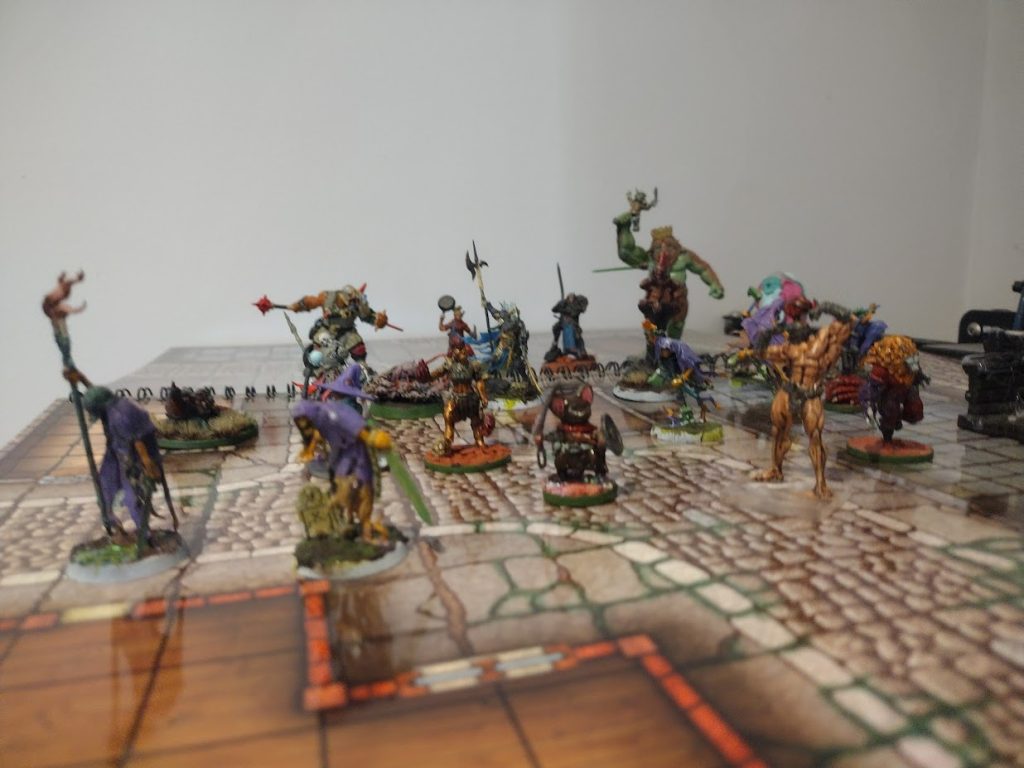
Modern roleplay games aren’t just about war or fantasy — there are games about growing a garden or racing cars with raccoons, and plenty more besides.
Tabletop Roleplay Gaming (TTRPG)
The games that mean the most to me are tabletop roleplay games like Dungeons & Dragons, played with a group of up to seven people, including the Dungeon Master (DM) — the person who runs the game. It’s set in a fantasy world, where players make decisions and the DM describes what happens next.
You make a character, sit round a table, roll dice, tell stories, and build worlds together. The Dungeon Master (or DM) keeps things moving — part narrator, part referee, part chaos conductor.
I started out playing Call of Duty and Halo, but when I stumbled across people playing D&D online, something clicked. I persuaded a few friends to try it; but the first time, it was a disaster — I got the rules wrong, forgot what dice to roll — but they still had fun. That moment changed everything. I realised games could be a vehicle for learning, connection and creativity.
Since then, running games has helped me grow and explore my creative side. I’ve learned to write, paint, build models, code, and improvise. I’ve taken classes to improve my accents. It gives me confidence to experiment: I even once used silly voices in a work presentation — and it worked.
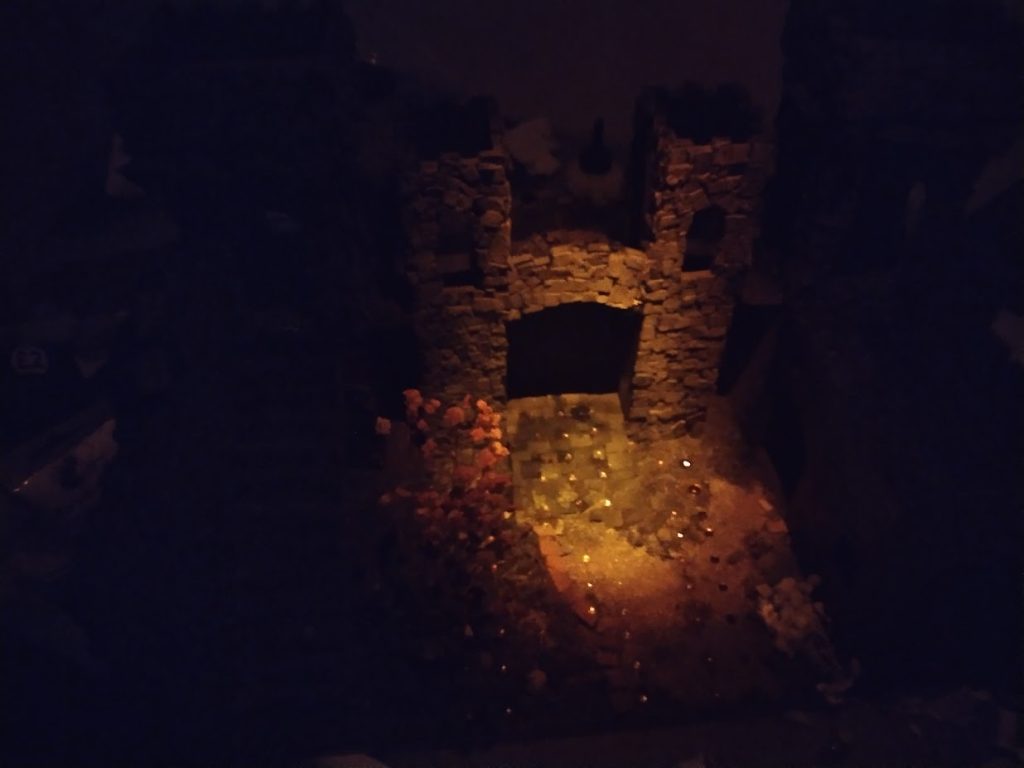
When I run a game now, I’m known for inventive and immersive improv storytelling with sound effects and bespoke lighting.
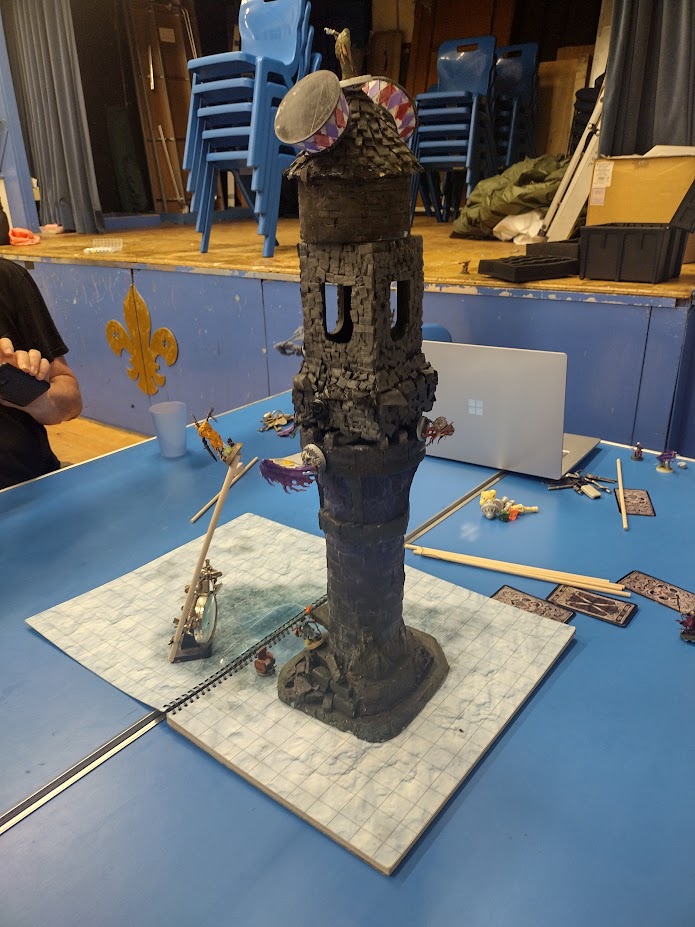
I make masks, costumes and props, build castles, design puzzles, get players to call real phone numbers to hear messages; and use improv to react to whatever chaos they throw my way.
Every table becomes its own unique world.
Community: Stories That Build People
Games are, at their heart, about community. I’ve seen strangers become player collaborators and then friends. I once ran a game for a couple, and a year later, I was at their wedding.
The magic of games is that they bring people together around a table with a shared purpose. During lockdown, they even kept us connected when everything else shut down. They’re inclusive: you can adapt rules or leave out concepts that make people feel uncomfortable. Games evolve as we do.
Joining local clubs opened me up. Through them, I found Autistic Youth Hub and now I’m a volunteer leader there and at The Story Sanctuary — our new IRL home — spaces that mix creativity, care, and belonging. I’ve done everything from building shelves to helping others build confidence in themselves. I went from someone who spent a long time being an outsider to someone who is valued in several communities.
Neurodivergence: The World Through a Different Lens
Being neurodivergent shapes how I think, create, and play. Dyslexia means I sometimes twist words or trip over spelling — but that’s also how I invent monster names and unexpected worlds. Having a brain that works differently, that sees the absurdity, informs my game design in a unique way.
Many of the people I game with are neurodivergent too. These spaces work for us because they’re flexible — structured enough to feel safe, open enough to bend the rules when needed. Around the table, difference isn’t a flaw; it’s fuel for creativity, and the game acts as the glue that gives us common ground.
Roleplay helps me understand people better — how they feel, how they act, how I connect. When a game truly works, it gives everyone at the table a spark of shared meaning. It lets everyone explore tricky things safely like emotions and identity.
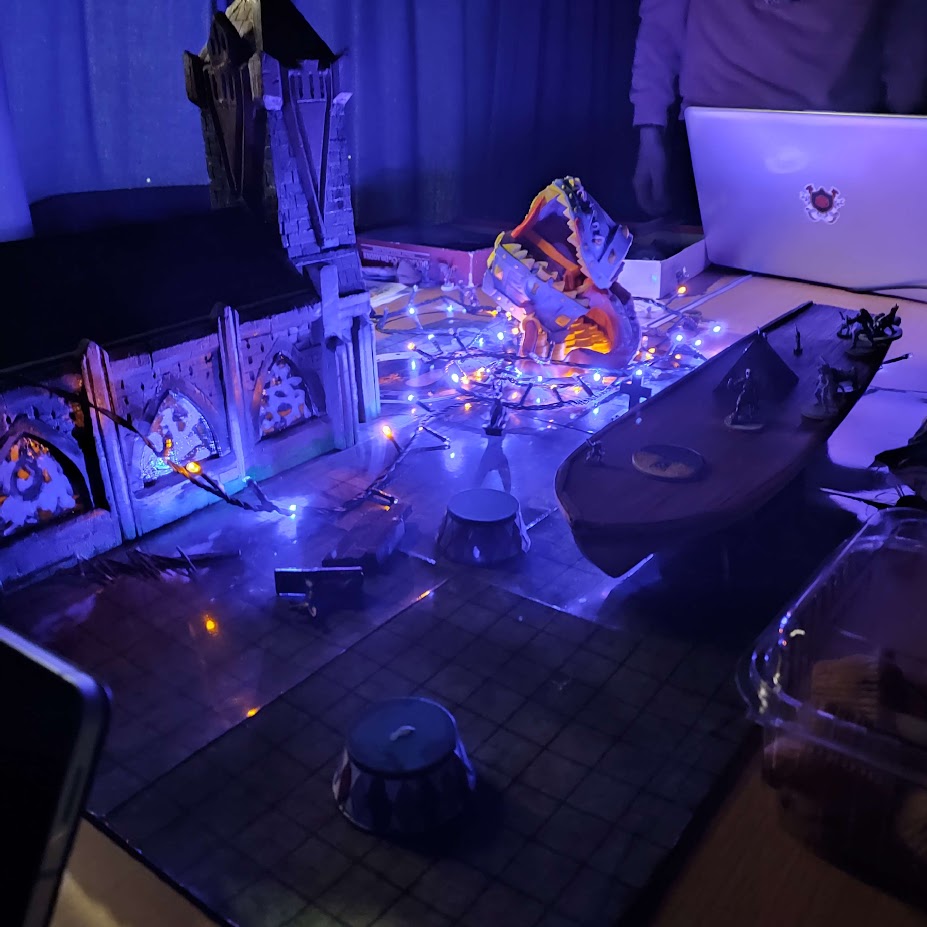
So that’s me — Dan. A guy who runs games, builds worlds, and believes in it as a form of community care. I’m still learning, still rolling the dice, still telling stories — and still amazed at where they lead.